- AI In Real Life
- Posts
- The Way Frontier Models Get Built is Fundamentally Changing
The Way Frontier Models Get Built is Fundamentally Changing
The end of "thinking" models?

Thomas Smith
March 27, 2026
In partnership with

The AI your stack deployed is losing customers.

You shipped it. It works. Tickets are resolving. So why are customers leaving?
Gladly's 2026 Customer Expectations Report uncovered a gap that most CIOs don't see until it's too late: 88% of customers get their issues resolved through AI — but only 22% prefer that company afterward. Resolution without loyalty is just churn on a delay.
The difference isn't the model. It's the architecture. How AI is integrated into the customer journey, what it hands off and when, and whether the system is designed to build relationships or just close tickets.
Download the report to see what consumers actually expect from AI-powered service — and what the data says about the platforms getting it right.
If you're responsible for the infrastructure, you're responsible for the outcome.
There used to be a huge chasm between the performance of “Instant” models from the likes of OpenAI and Anthropic, and their more resource-intensive “Thinking” models.
Most pro users wouldn’t touch the “Instant” ones. They were for free ChatGPT users, or for very basic tasks, like reformatting text or answering a question for your kid’s science project.
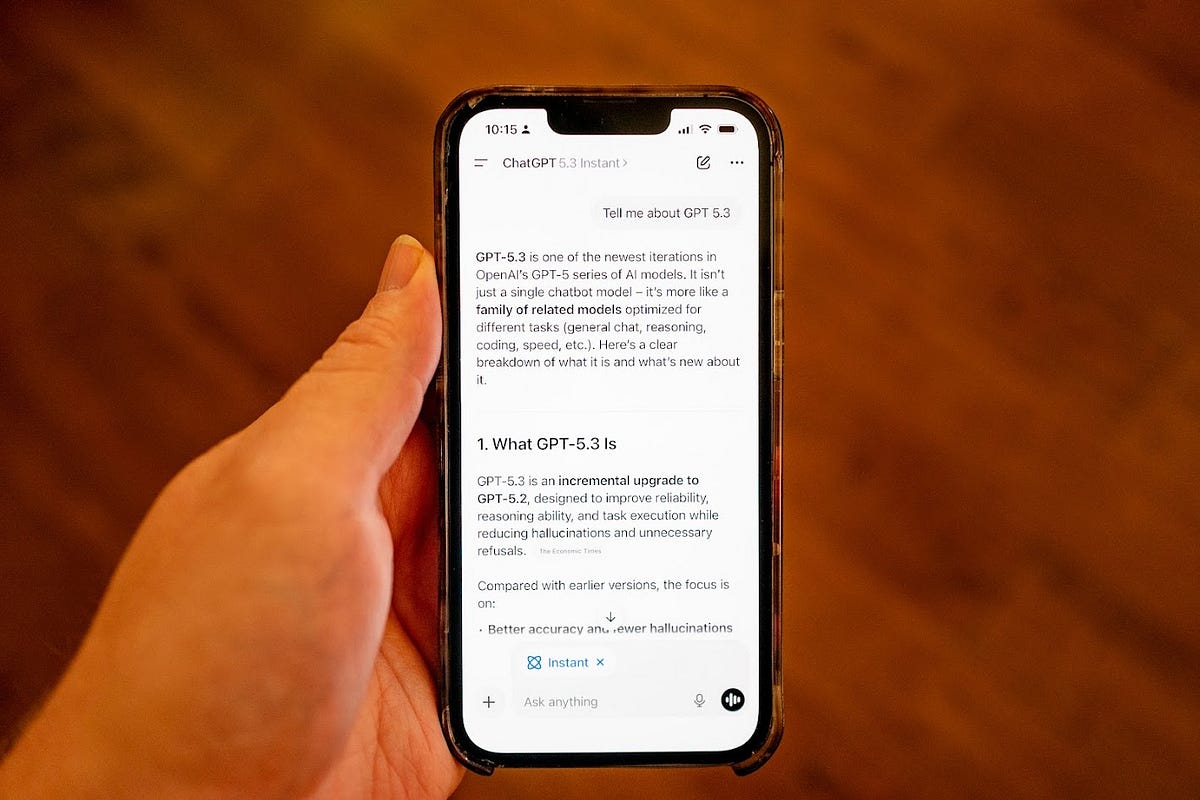
With OpenAI’s most recent model release, though, that has changed. The new GPT-5.3 Instant model is extremely good. It’s also extremely fast.
That suggests a new direction for how frontier models get built. Will it mean the end of “Thinking” models for regular users? Here’s an article I wrote exploring this.
Why Timothée Chalamet is Wrong
If you care about culture, you were probably very angry when actor Timothee Chalamet said opera was dying.
In my latest FastCompany article, I explore a strange trend: as AI eats the world, people are turning to analog artforms (yes, including opera) more, not less.